The Kaleva Temple Building: A Living Piece of South Range History
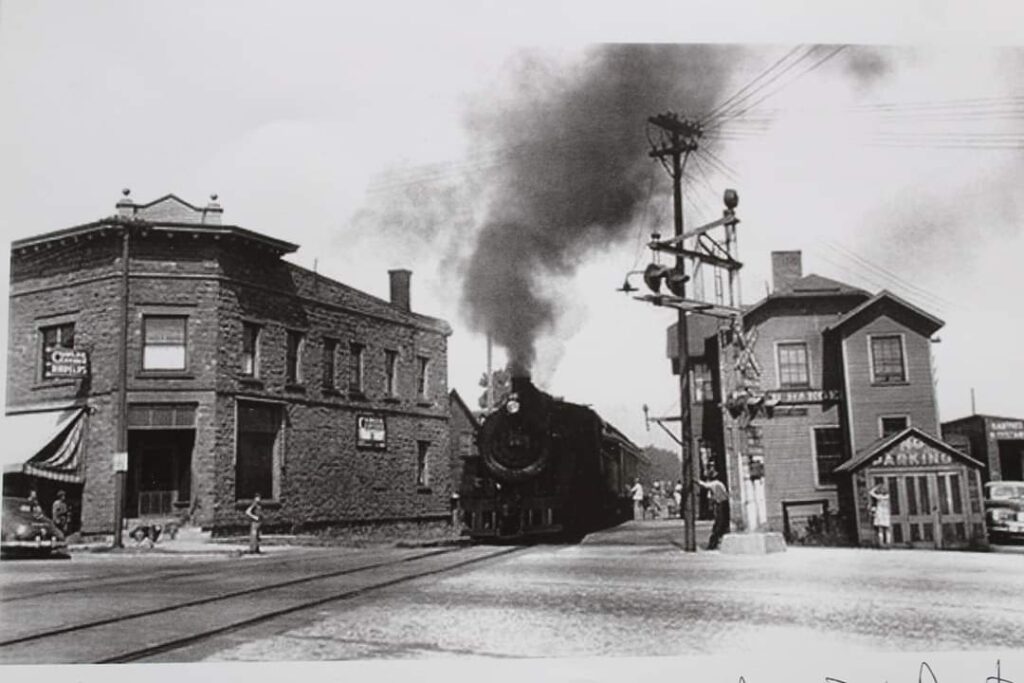
Some buildings are just brick and mortar… and some buildings hold stories. Kaleva Temple is one of those rare places — a cornerstone that has evolved with South Range for well over a century. From Finnish cultural roots to decades of everyday commerce, this building has quietly played a role in “small-town life” in a way that’s hard to replicate today.
How it started: Finnish roots and a community mission
Construction began in the late 1900s under local businessman Jacob Baer, but the project changed hands before completion. The partially finished block was purchased by the Knights of Kaleva, a Finnish-American fraternal organization inspired by the Kalevala and dedicated to preserving Finnish culture and tradition in the Copper Country. They finished the building in 1910 and named it the Kaleva Temple.
What it housed: offices, community groups, and a long list of “chapters”
When the building opened, it combined practical needs with community life: commercial spaces on the first floor and a Finnish social hall upstairs. Over the years, the building hosted an impressive range of uses — including groups like the Sons of Italy, professional services like a dentist’s office, entertainment venues like a theater/opera hall, and everyday necessities such as a restaurant and hardware store.
One of the most significant chapters: the U.S. Post Office operated out of the building from 1915 all the way to 1977 — a huge stretch of time that speaks to how central this location was to local life.
How it changed: shifting needs, shifting spaces
As time moved on, the “social hall” era faded and the upper level transitioned into apartments — another sign of how buildings in small towns adapt to meet the needs of the moment. Even today, the structure itself remains a strong example of early 1900s commercial architecture built with local materials, and it earned a spot on the National Register of Historic Places in 1982.
Why we care: bringing old buildings back to life
This is the stuff we love — places with history, character, and a little bit of grit. A building like Kaleva Temple reminds us that “revitalization” isn’t just paint and flooring… it’s carrying forward a legacy of purpose. And that’s exactly why these older spaces still matter in the Western U.P.: they’ve always been about people — where they gather, how they work, and how they live.
Question for you: What do you remember being inside the Kaleva Building years ago — or what kinds of businesses do you wish South Range had again?